African radiologists have strong motivation for MRI neuroimaging research, according to poster data to be presented May 12 at the ISMRM meeting in Cape Town, South Africa.
But they face systemic and training-related barriers that limit their participation in this research, lead study author Anthonia Ikpeme, MD, of the University of Calabar Teaching Hospital in Nigeria, and colleagues wrote.
"[Our survey] findings underscore several ongoing barriers, including the lack of specialized training in data analysis, limited access to post-processing software and tools, and insufficient funding," they noted.
MRI research sparks innovation, improves diagnostic accuracy, and promotes evidence-based practice, Ikpeme noted, and radiologists are "uniquely positioned" to advance research that "translates imaging innovations into clinical benefits." Yet despite an increase in available MRI scanners and trained radiologists around the world, African radiologists contribute "only minimally" to MRI publications.
"Quantitative data on African radiologists’ direct participation in MRI research remain scarce," the team wrote. "Understanding their engagement levels, perceived barriers, and potential motivators is vital to designing sustainable strategies that could strengthen MRI research capacity across the continent."
To that end, Ikpeme and colleagues examined the role of African radiologists in MRI neuroradiology research -- analyzing both individual and systemic factors affecting participation -- via a survey sent to 500 radiologists in 10 African countries. The group found survey invitees through professional networks such as African radiology societies, the ISMRM Africa Chapter, institutional mailing lists, and the SMART Africa Network. Of the 500 who received surveys, 135 participated.
The majority (63.6%) of respondents were from Nigeria, followed by Ghana (10.4%), Tanzania (7.4%), Uganda (5.9%), and Kenya (4.4%). Most respondents were men. Of survey participants, 45.2% had completed a radiology fellowship, 28.9% were residents, and 23% were practicing as both general radiologists and neuroradiologists. Only 28.1% reported the existence of neuroradiology subspecialty training centers in their countries.
Twenty-two survey respondents (30.6%) noted that they had participated in neuroimaging research since their qualification, with 12 serving as principal investigators. A number of radiologists reported that their facilities had MRI, CT, and ultrasound systems dedicated to neuroimaging; most of these MRI devices were 1.5-tesla.
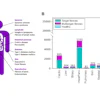
Ikpeme's group outlined the following barriers to African radiologists’ participation in neuroimaging research:

The team also noted key supports to research participation, which included interdisciplinary collaboration and mentorship.

"The strong emphasis on collaboration with clinicians and mentorship from experienced imaging researchers as key facilitators suggests actionable solutions," it wrote. "This view aligns with global evidence indicating that structured mentorship, interdisciplinary collaboration, and institutional support are essential for transforming clinical access to MRI into sustained research output and innovation."