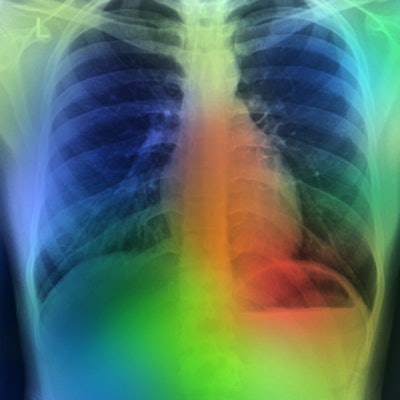
Artificial intelligence (AI) software developer Riverain Technologies is unveiling enhancements to its ClearRead AI platform for lung nodule detection at the RSNA 2021 meeting in Chicago.
Workflow enhancements improve the clinical user experience through tighter integration, the firm said. For instance, Fleischner and Lung-RADS scores can be customized to institutional or provider preferences and included in the case-level summary report. Also, lung nodules can be sorted based on diameter, mass, volume, doubling time, and more. Plus, standardized reports have been changed for configurability, language, and readability with a configurable PDF output.
Riverain also upgraded ClearRead's nodule detection so that it shows improved performance on mediastinal nodules, nodule typing, and nodule matching. Finally, the firm has also updated its system service capabilities.

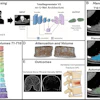







![Images show the pectoralis muscles of a healthy male individual who never smoked (age, 66 years; height, 178 cm; body mass index [BMI, calculated as weight in kilograms divided by height in meters squared], 28.4; number of cigarette pack-years, 0; forced expiratory volume in 1 second [FEV1], 97.6% predicted; FEV1: forced vital capacity [FVC] ratio, 0.71; pectoralis muscle area [PMA], 59.4 cm2; pectoralis muscle volume [PMV], 764 cm3) and a male individual with a smoking history and chronic obstructive pulmonary disorder (COPD) (age, 66 years; height, 178 cm; BMI, 27.5; number of cigarette pack-years, 43.2, FEV1, 48% predicted; FEV1:FVC, 0.56; PMA, 35 cm2; PMV, 480.8 cm3) from the Canadian Cohort Obstructive Lung Disease (i.e., CanCOLD) study. The CT image is shown in the axial plane. The PMV is automatically extracted using the developed deep learning model and overlayed onto the lungs for visual clarity.](https://img.auntminnie.com/mindful/smg/workspaces/default/uploads/2026/03/genkin.25LqljVF0y.jpg?auto=format%2Ccompress&crop=focalpoint&fit=crop&h=112&q=70&w=112)


