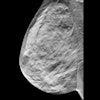
Hologic is highlighting findings from a recently-published study that suggest that its AI-powered mammography technology can help detect more breast cancers, including those previously missed.
A team led by Manisha Bahl, MD, of Massachusetts General Hospital in Boston, performed a retrospective analysis using Hologic’s Genius AI Detection software of 7,500 digital breast tomosynthesis (3D mammography) screening exams performed between 2016 and 2019. The group's work was published on December 3 in the American Journal of Roentgenology.
Genius AI Detection flagged 32% of the 100 false-negative cases in the study (read as negative but followed by a breast cancer diagnosis within a year) as including areas of suspicion and accurately identified the location where breast cancer was subsequently diagnosed. In addition, the software flagged nearly 90% of the 500 breast cancer cases that had been identified by radiologists.
Bahl's group said that the technology was more likely to identify invasive ductal carcinomas and lymph node-positive cancers, and less likely to identify invasive lobular carcinomas and grade I invasive carcinomas.
Hologic explained that the study did not evaluate the impact of the use of AI on patient outcomes or its integration into real-world clinical workflows, and that it was performed at a single center with a predominantly white patient cohort, so it may not be generalizable to other centers or to other algorithms. But it did note that the algorithm itself was trained on a large, diverse patient base.
Read the full study here.